Empowering individuals, families and communities to bring about social change.
The CSU/MSW curriculum utilizes a family-centered, trauma-informed, and strengths-based
perspective. It focuses on clinical practice with families and children, understanding
the development and analysis of social policy, and designing and managing human service
programs. Leadership, team building, cultural competency, as well as professional
development, and personal growth are integral components of the program. The program
emphasizes services to populations that have historically been oppressed and marginalized.
The program also emphasizes commitment to diversity, and social and economic justice.
The MSW Program provides an accessible, affordable advanced professional educational
opportunity designed to encourage non-traditional and minority students from greater
Chicago, surrounding counties, and beyond.
Program Mission: The mission of the MSW Program at Chicago State University is to prepare graduate
social work professionals, who are committed to life-long learning through a competent,
culturally sensitive, evidence-based, trauma informed, family centered practice, and
who use their leadership skills with a spirit of inquiry to serve global, especially
urban communities with a commitment to social, racial, and economic justice.
About Our Program
MSW Areas Of Specialization
The CSU/ MSW program offers three areas of specialization.
Direct Practice with Families and Children,
Planning and Administration, and
School Social Work.
The overarching objective for each specialization is to provide services designed
to strengthen, empower, and advocate for families and children through the organizations
and institutions that serve them.
Area of Specialized Practice #1: Direct Practice with Families and Children
The Direct Practice with Families and Children specialization courses are designed
to provide students with knowledge, values, skills, and the cognitive and affective
processes needed to competently provide direct services to families and children.
Area of Specialized Practice #2: Planning and Administration
The Planning and Administration courses are designed to provide students with the
knowledge, values, skills, and the cognitive and affective processes needed for the
full range of tasks associated with identifying needs, conceptualizing strategies
for effecting solutions, engaging partners/collaborators (to include those with lived
experience) in selecting options, and generating the resources needed to develop,
design, implement and administer successful human and social service programs.
Area of Specialized Practice #3: School Social Work
In the School Social Work specialization, students take specialized practice courses
that augment and broaden generalist knowledge and skills to serve youth and their
families within school settings. An understanding of educational institutions and
strategies and knowledge for effective practice in a secondary setting is emphasized.
Post-MSW Professional Educator License (PEL)
Post-MSW Professional Educator License (PEL) with School Social Work Endorsement program, offered fully online. The program
prepares MSW graduates to meet Illinois State Board of Education (ISBE) requirements
to become licensed School Social Workers, applying strengths-based and family-centered
practice principles.
The Master of Social Work program is designed to prepare graduates for advanced professional
roles such as:
Clinical practitioner across varied settings, supervisor
Policy advocate,
Public service and nonprofit organization administrator.
Graduates are also prepared for doctoral study in social work and related fields.
Obtaining your license is essential in your career planning!
Compare career outcomes by occupation
Explore where a Chicago State University education can take you. Whether you’re choosing
a major or planning your career, these resources can help you explore your options
and make informed decisions about your future.
The MSW faculty brings a wealth of experience to the classroom in varied fields of
social work practice. This supports curriculum development and experiential learning
that is relevant to the realities of today’s practice. Small class sizes encourage
support and coaching for your professional development.
The CSU/ MSW experience is relational and includes a cohort model. Whether enrolled
in full or part-time studies, you and your peers work through your plans of study
together each semester, promoting critical support and often lifelong relationships
that are important throughout your career.
Field Practicum: The centerpiece of your MSW experience
Apply your classroom knowledge, values, and skills in settings ranging from public
and private agencies, child welfare to hospitals and schools during your Field Practicum. You’ll gain real-world experience as you apply the knowledge and skills acquired
in the classroom under the supervision of an experienced MSW while being supported
by your Faculty Field Liaison.
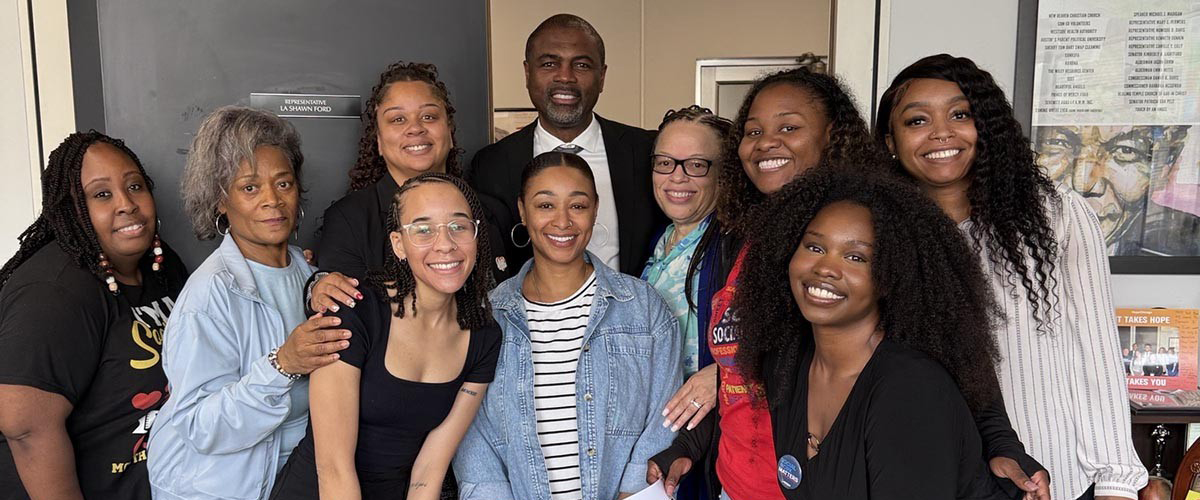
MSW students joined NASW–Illinois Chapter's Advocacy Day in Springfield on April 15,
2026, meeting with legislators to weigh in on pending state legislation. A key focus
was rallying support for House Joint Resolution 0053, which would protect professional
degree status for social work, nursing, counseling, and allied health graduate programs.
The event gave students hands-on experience in policy advocacy.
Join an information session to learn more about us
Interested in obtaining an MSW Degree? Your questions are very important to us. Please
attend the next virtual informational session via Zoom on the second Wednesday of
each month at 6pm.
Upcoming Information Sessions
General Information Sessions
October 14, 2026
December 9, 2026
January 13, 2027
February 10, 2027
March 10, 2027
April 14, 2027
May 12, 2027
June 9, 2027
Post MSW School Social Work PEL Information Session
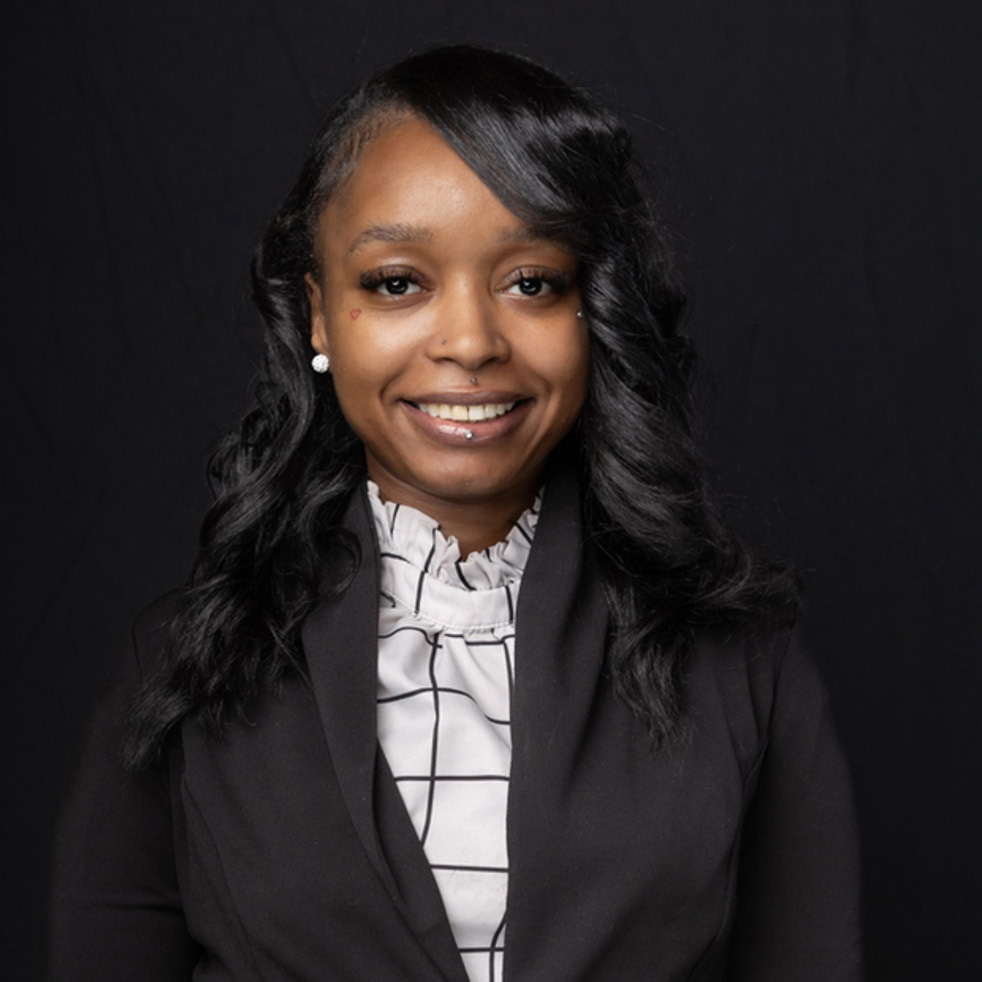
[The] CSU MSW program has strengthened my ability to apply macro social work principles
address systemic inequities and improve organizational and community outcomes. Through
my academic and field experiences, I have developed skills in program development,
policy analysis, leadership communication, and working within nonprofit organizations.
Moving forward, I plan to pursue my LCSW and obtain certification in grant writing
to expand my impact in advocacy, nonprofit development, and sustainable community
change.
Lexus Greer, Class of 2026
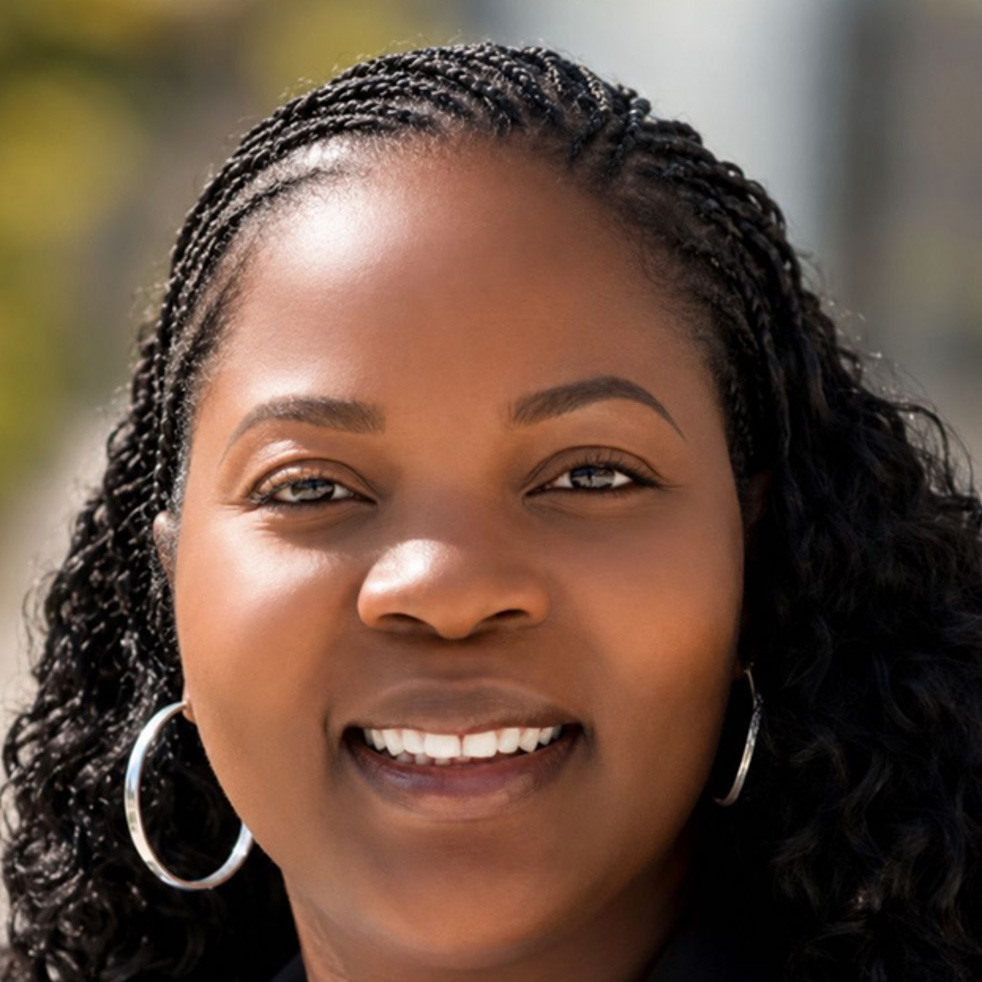
This program pushed me in ways I did not expect. While working my field practicum
and balancing a full-time job, it helped shape who I am becoming as a social worker.
I have learned how to show up for people, think critically about systems, be a change
agent, and practice cultural humility while approaching my work with intention and
compassion. Now that I am nearing the end, I feel proud of how far I have come. This
experience was more than just academics. It was growth, resilience, and transformation.
Cathy Jean-Baptiste, Class of 2026
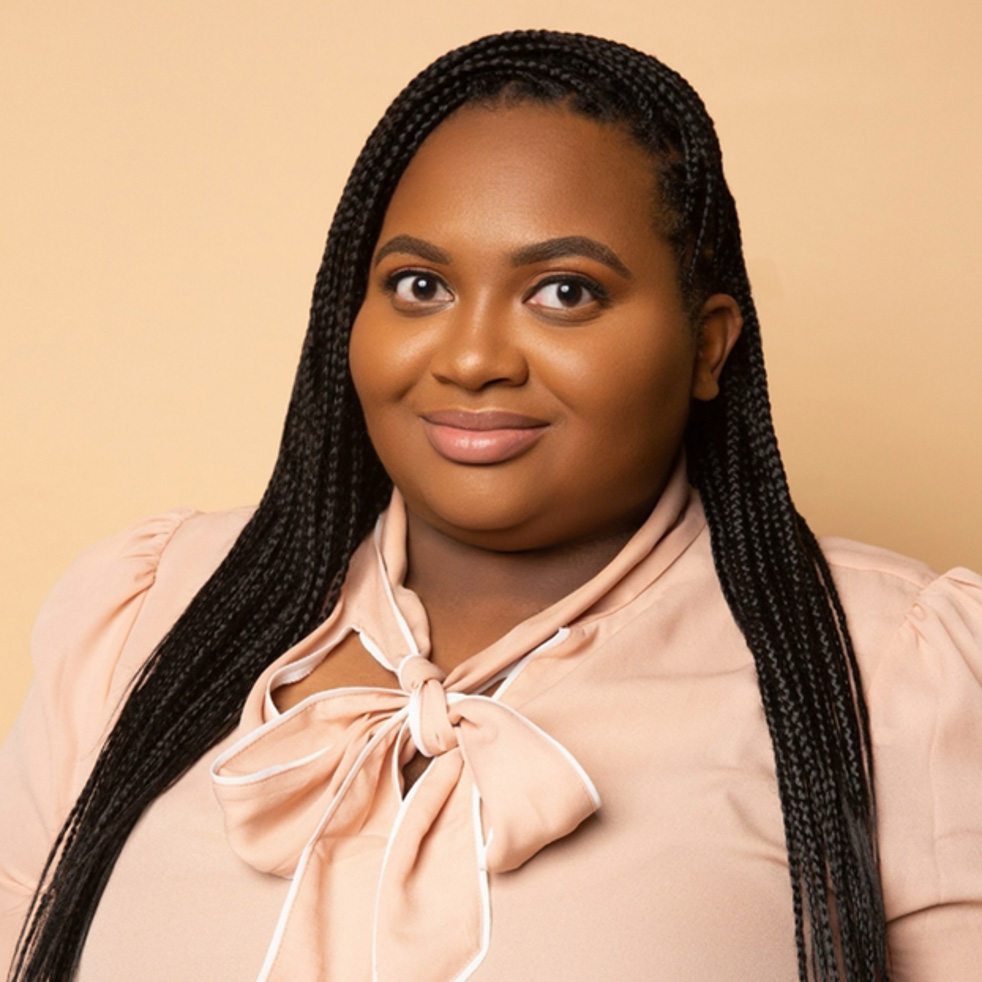
I’ve learned so much—not just about clinical practice and policy, but about myself,
my strengths, and the kind of social worker I want to become. The support from my
professors, classmates, and field supervisors made a real difference, and I’m grateful
for every experience that shaped me along the way.


 All Rights Reserved